There's a project I've been carrying around for a couple of years.
There's a project I've been carrying around for a couple of years. I started building it in late 2023, got most of the way there, ran out of money before I could finish, and went back to client work. Last month, with a bit of breathing room, I opened the file again.
The first version lived on Xano. It mostly worked. The architecture is the same architecture I'm using now, drawn on a whiteboard in 2023, and the thinking still holds up. But every conditional in the system had to be told, very explicitly, what to look for. Stitching it together took an outrageous amount of time. Setting up something like a regenerate flow was a day's work in Wized. I never quite got to the end of it.
Coming back to the same idea now, what's surprised me is how much of the labour the model does. The architecture I drew is the architecture that runs. The wiring that used to take a day takes about five minutes. The regenerate flow I never got to ship in 2023 was working before lunch on a Tuesday, and I noticed it because I'd gone to make a coffee expecting to come back to a half-broken state.
A consultant friend once told me ideas have a season. I think mine had one and I just didn't have a long enough runway to meet it. This doesn't really feel like a comeback. It feels more like the same plan finally being affordable to deliver.
If you've shelved something because the build cost too much, the file might be worth opening again. I'll share more of what I'm building over the next few weeks. I've been calling it Big Brain.
Spent the last few weeks rebuilding something I first tried to make in late 2023.
Spent the last few weeks rebuilding something I first tried to make in late 2023. Same architecture, second attempt.
The first version lived on Xano: a routing endpoint that fired off internal endpoints depending on what the AI was being asked to do. Generating an audience segment, updating a problem statement, pulling context for a piece of copy, each one a separate dispatch with conditionals stacked underneath, template literals doing find-and-replace inside prompt strings. It worked, mostly. It was also slow and brittle, and I never got to the end of it before the money ran out.
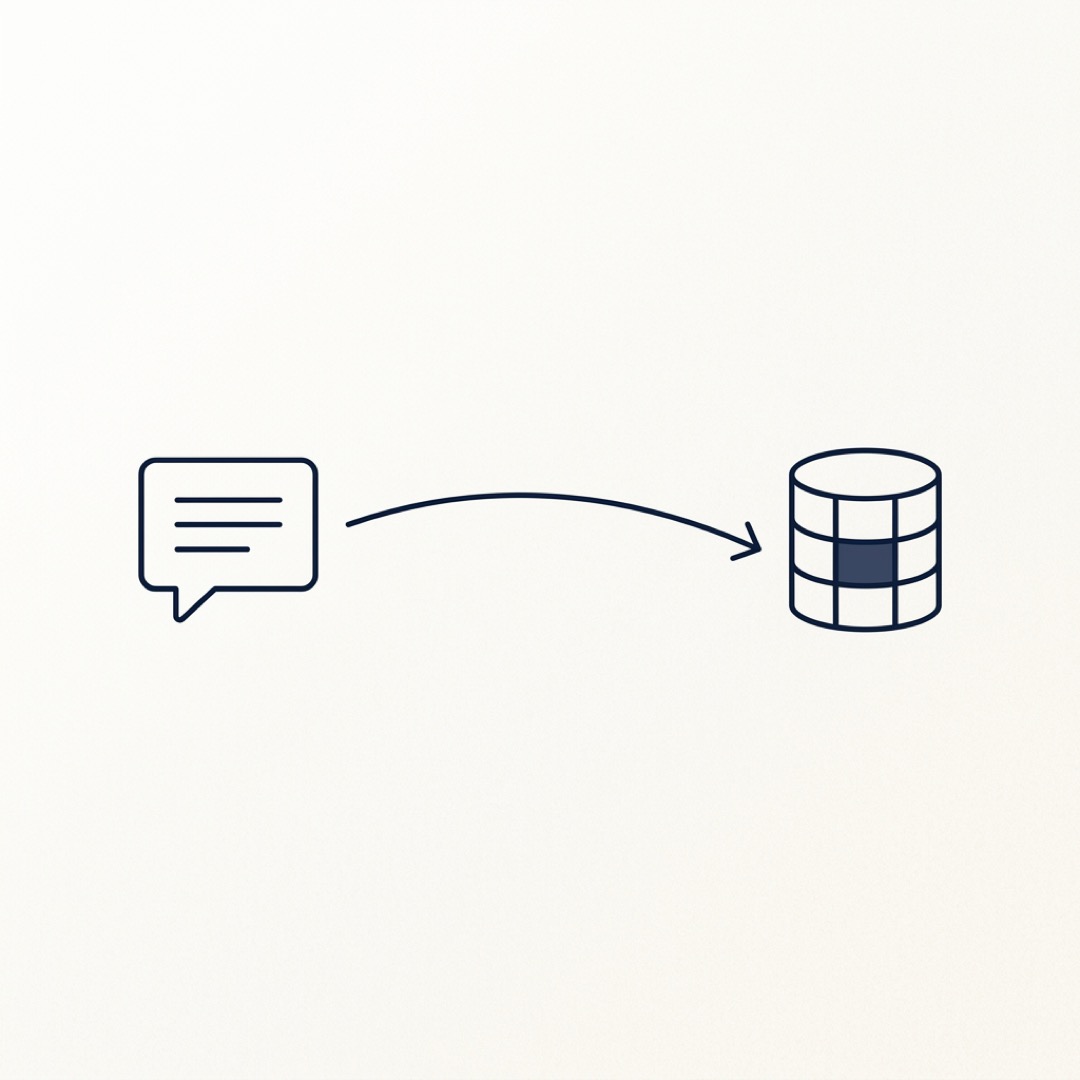
This time I'm on Vercel, with Neon for storage, FalkorDB for the knowledge graph, and Gemini direct for the model calls. The architectural thinking is the same. What's changed is who's doing the wiring. I describe the behaviour I want, the model writes the code, and the things that used to take me a day take five minutes.
I'm not sure what to do with that observation other than note it. The bottleneck on this kind of work used to be my time stitching pieces together. It isn't really my time any more. It's the clarity of what I'm asking for, which turns out to be a different muscle entirely.
If you shelved a build for cost reasons, the maths might have moved. I've been calling this one Big Brain. More soon.
I think a lot about ideas having seasons.
I think a lot about ideas having seasons. Some land at the right moment, get built, do their thing. Others arrive too early. You carry them around without quite knowing what to do with them, and by the time the ground catches up you've moved on. Or you've run out of money trying to make them real, which is what happened to me in late 2023.
The project I shelved then is a context-management layer for AI work. The thinking was that if you give an AI proper context, your audience and your offer and your current problem statement and the threads connecting them, it stops being a smart-but-amnesiac assistant and starts being something closer to a colleague who already knows where you are. That feels obvious now. It was less obvious in 2023.
I've spent the last few weeks rebuilding it, and the architecture has barely changed. What's changed is the cost of the labour to wire it. The idea was right. I just couldn't afford to deliver it on the timeline the season was open, which is its own kind of lesson and not a very tidy one.
I've been calling the rebuild Big Brain. The lesson, if there is one, isn't that you should wait for the right moment. It's that if you have to shelve something, you should keep the notebook. The notebook is the thing that survives the gap.
There's a project I've been carrying around for a couple of years.
There's a project I've been carrying around for a couple of years. Started in late 2023, ran out of money, went back to client work. Last month, with a bit of breathing room, I opened the file again.
The architecture I drew on a whiteboard in 2023 is the architecture that runs now. Every conditional in the old version had to be told, very explicitly, what to look for, and stitching it together took an outrageous amount of time. The wiring that used to take a day takes about five minutes. The regenerate flow I never got to ship was working before lunch on a Tuesday. I noticed because I'd gone to make a coffee expecting to come back to a half-broken state.
Doesn't feel like a comeback. Feels more like the same plan finally being affordable to deliver. I've been calling it Big Brain.
Spent the last few weeks rebuilding something I first tried to make in late 2023.
Spent the last few weeks rebuilding something I first tried to make in late 2023. Same architecture, second attempt.
First version was Xano: a routing endpoint dispatching to internal endpoints by intent, conditionals stacked underneath, template literals doing find-and-replace inside prompt strings. Slow and brittle, and I never got to the end of it before the money ran out. This time it's Vercel, Neon, FalkorDB, Gemini direct. I describe the behaviour I want, the model writes the code, and things that used to take me a day take five minutes.
The bottleneck on this kind of work used to be my time stitching pieces together. It isn't really my time any more. It's the clarity of what I'm asking for, which turns out to be a different muscle entirely.
If you shelved a build for cost reasons, the maths might have moved. Calling it Big Brain.
I think a lot about ideas having seasons.
I think a lot about ideas having seasons. Some land at the right moment and get built. Others arrive too early, and you carry them around without quite knowing what to do with them, or you run out of money trying to make them real, which is what happened to me in late 2023.
The project I shelved then is a context-management layer for AI work. I've spent the last few weeks rebuilding it. The architecture has barely changed. What's changed is the cost of the labour to wire it. The idea was right. I just couldn't afford to deliver it on the timeline the season was open.
The lesson isn't that you should wait for the right moment. It's that if you have to shelve something, keep the notebook. The notebook is the thing that survives the gap.
Voice + structure notes
- Reflective — journal entry. Slow opening, no hook, "working before lunch on a Tuesday" grounds the rebuild claim.
- Build-log — matter-of-fact and technical; lists the stack as generosity bait, not a flex.
- Lesson — pulls the philosophy up front and closes on "keep the notebook."